Islands, Islets and Capes System National Reserve – Cavinzas Islands
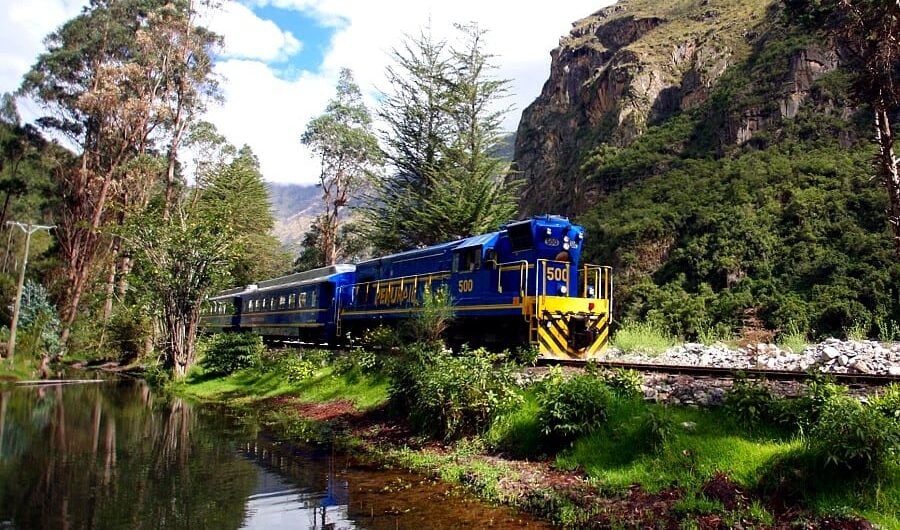
Peru Rail Local Train Cusco, Peru Website: www.perurail.com Official Website To Buy Tickets: www.book.perurail.com Telephone: +511-625 4848 Branches: Store - Larcomar Shopping Mall: Av Malecón de la Reserva 610, Stand 214 - Plaza Gourmet. Services: Location If you have any questions about this tour or any other tour such as prices, hotels, itinerary and everything you need to book this tour please contact us at WhatsApp: +51 947392102 (Click Here) . Or send us an email to: contacto@condorxtreme.com and our travel experts will respond as quickly as possible, answering all your questions and / or queries of any particular tour.
Peru Rail Local Train Cusco, Peru Website: www.perurail.com Official Website

Perurail or Incarail, which is better? Both Peru Rail and Inca Rail have different services to travel by train to Machu Picchu. Therefore, the choice of any of these companies will depend on the type of service you wish to take. However, you should know that PeruRail is the company that offers the highest frequency and availability, Peru Rail vs Inca Rail. Peru Rail It is the main freight and passenger railroad operator in southern Peru. It operates several routes, one of the best known is Cusco - Puno - Arequipa in its luxurious train "Andean Explorer", but its main route of operations is: Poroy - Ollantaytambo - Aguas Calientes (Machu Picchu Pueblo). As of 2019 it has a new route: San Pedro (Cusco city) - Poroy - Ollantaytambo - Aguas Calientes. Peru Rail has 4 types of train services to Machu Picchu for foreign tourists 1 local train service for Peruvians only. Expedition Train The Expedition train has cars fully covered by panoramic windows. This train is the most basic of all the services offered by PeruRail. 2. Vistadome Train It is a train with wide cars, with panoramic windows on the roof and on the sides that will allow you to take pictures of the entire journey through the Sacred Valley of the Incas. Ideal for observing the impressive natural scenery that surrounds the railroad between Cusco and Machu Picchu. It has large panoramic windows on both sides of its cars and on the roof. It offers snack service on board with Andean ingredients and includes non-alcoholic beverages. And, on the return trip, it offers a fashion show of traditional clothing made with baby alpaca and an Andean dance show. The Vistadome Perurail train for guests of the Belmond Hotel Rio Sagrado offers an exclusive service of its
Perurail or Incarail, which is better? Both Peru Rail and

Hotels in Mancora Beachfront Beach Front Hotels in Mancora: The Best Alternative to the Hotels in Mancora. Compare Photos, Reviews and Prices! Temporary and Vacation Rentals for all budgets. 1. Selina Mancora Selina Mancora is centrally located right next to the beach, in the heart of all the action. Have a healthy breakfast at our Playground before heading out to the turquoise water! We are a meeting point for visitors from neighboring coves and beaches, with plenty of sunshine all year round. The Selina Mancora hotel is located in an ideal location in the vibrant city of Mancora, which is located in the north of Peru, in the province of Talara in the department of Piura. The facilities are close to the adjacent beaches which are located next to the fishermen's pier. With summer energy and fresh seafood all year round, Mancora is a place to reconnect with your body, mind and soul. 2. Mancora Marina Hotel 3. Suites del Mar Mancora Inspired by the legendary Café del Mar in Ibiza and located a few minutes walk from the center of Mancora and the surf point, Suites del Mar is located away from the hustle and bustle of the bar area in a privileged and quiet environment and offers an exclusive experience for its guests. Designed and built with top quality finishes by the prestigious Roberto Ghersi, the place offers elegant pure lines, minimalist European style and open spaces where the light and the environment invite you to enjoy the rest. Suites del Mar is one of the few accommodations in the area with a private area on the beach for the exclusive use of those guests who are looking for a high concept of accommodation and services and want to get the maximum personal and economic return from their
Hotels in Mancora Beachfront Beach Front Hotels in Mancora: The
What to do in Puno, Peru 1. Plaza Mayor, the key site to visit in Puno 2. Cathedral of Puno 3. Corregidor's House 4. Museums to visit in Puno Carlos Dreyes Municipal Museum, Museum of coca and customs, 5. Strolling through the center of Puno Lima 6. Best viewpoints to see in Puno Cerrito Huajsapata: Kuntur Wasi: Puma Uta: 7. Excursion to the floating islands of Lake Titicaca. Half day tours: Full day excursions: Tours of 2 days (or more): 8. Excursion to Sillustani Useful Information How to get to Puno If you are traveling in Peru, Puno can be reached by bus from destinations such as Arequipa (5h), Cuzco (7h) or Puerto Maldonado (12h, Bus Reyna), or Lima (24h). There is also the train line from Cusco (with Perurail) which involves spending more money but the experience should be cool and the Andean Explorer luxury train that also reaches Arequipa. The nearest airport is Juliaca, 50 km away, with flights from Lima and Cuzco. If you are heading from Puno to Cusco, check out this tour of the Ruta del Sol, which ends there. Also the reverse route. We crossed the border with Bolivia from Puno to Copacabana by bus, we assume that the return trip will be the same. It takes about 4 hours in total, including the stop at the border to process the visa. Lodging in Puno Any lodging near the Plaza Mayor will be well located. We stayed at the Hotel Hacienda Puno Centro Historico and the truth is very good. Other recommended accommodations in Puno are: Hotel Hacienda Plaza de Armas Casona Plaza Hotel Puno Sol Plaza Hotel Restaurants in Puno In addition to the Café Bar of the Casa del Corregidor, with a menu of world dishes and Peruvian recipes, if you are
What to do in Puno, Peru 1. Plaza Mayor, the

Lunahuana Canopy, Cañete - Peru Canopy Lunahuana: A scheduled activity to completely free you from city stress and boost your own adrenaline; you'll enjoy the amazing thrill of flying at over 45 meters high, facing the most beautiful riverside landscapes of the Lunahuaná valley. Glide through the air on cables practicing canopy or ziplining in the Lunahuaná Valley. Lunahuana Canopy: This is currently one of the most popular activities for those who decide to visit Lunahuaná, as it gives them the opportunity to fly through the trees and cross the Cañete River hanging from a harness. Undoubtedly a unique experience, with stunning views and a sensation that has no comparison. Video Canopy in Lunahuana https://youtu.be/rprKekA_cq8 Includes Private Tourist Transportation. Excursion to the different tourist sites. Equipment (Helmet, Harness, Pulleys). Safety (certified instructor, first aid kit). Adventure Sports Canopy Lunahuana. Basic souvenir photos and video. Does not include Overnight at Hotel with swimming pool. Continental breakfast. Meals during the stay. Horseback riding (optional). Dedicated canoeing and/or ATV videos. What to take to the Canopy in Lunahuana? Cap Sunglasses Protección solar pants or shorts (preferably cool clothing) Sneakers Bottle with plenty of water. Recommendations for Canopy in Luanahuana: Sneakers (no sandals). Sunscreen. Repellents. Bring your camera charged. A lot of fun and enjoyment. Additional Information Difficulty: Easy. Minimum age 08 years old Canopy Luanahuana Price. The tour is provided in shared service. Minimum of 02 travelers for the purchase. Not suitable for people weighing more than 99 kg. Not suitable for pregnant women. Not suitable for people with heart conditions. Not suitable for people who have undergone surgery less than 6 months ago. Not suitable for persons under the influence of alcohol or prohibited substances. Wear comfortable clothes, sneakers, sunscreen, sunglasses, hat. If you do not attend the day of the service,
Lunahuana Canopy, Cañete – Peru Canopy Lunahuana: A scheduled activity
Activities in Lunahuaná Canoeing. La Reyna de Lunahuana. Catapalla Suspension Bridge. Lunahuana Main Square. Church of Santiago Apostol. Santa Maria Winery. Incahuasi Archaeological Complex. Horseback Riding El Bosque. Enchanted House of Lunahuaná. Lunahuana Canopy. ATVs. If you have any questions about this tour or any other tour such as prices, hotels, itinerary and everything you need to book this tour please contact us at WhatsApp: +51 947392102 (Click Here) . Or send us an email to: contacto@condorxtreme.com and our travel experts will respond as quickly as possible, answering all your questions and / or queries of any particular tour.
Activities in Lunahuaná Canoeing. La Reyna de Lunahuana. Catapalla Suspension
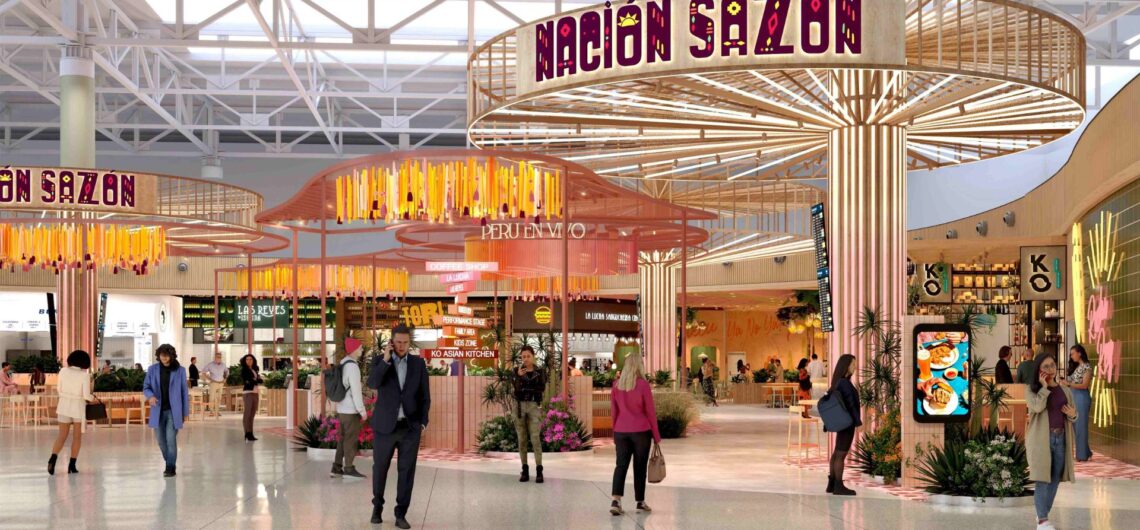
The New Jorge Chavez Airport in Lima, Peru The Jorge Chavez Airport, located in Lima, Peru, has transformed into a modern space that redefines the traveler's experience. With its recent renovation, this airport aims to stand out as a strategic point not only for international connections but also as a place offering comfort and exceptional services to its visitors. Its privileged location in the Peruvian capital makes it a key link for flights within and outside South America, consolidating its position as one of the most important airports in the region. From the moment passengers enter, they can notice the attention to detail in every corner, designed to provide an atmosphere that combines efficiency and hospitality. The improvements made aim to satisfy the needs of all types of travelers, from tourists to professionals in transit, offering spacious and well-organized areas that facilitate movement within its facilities. With a clear focus on innovation, this airport incorporates elements that not only seek to optimize operations but also ensure a pleasant experience for its users. Its transformation responds to the growing flow of passengers who choose Lima as a destination or connection point, positioning it as a symbol of development and progress in the country. Modern Airport Design The design of Jorge Chavez Airport combines aesthetics and functionality, achieving a space that prioritizes both traveler comfort and operational efficiency. Architects have created areas that allow for a natural flow of passengers, avoiding congestion and facilitating access to essential services. The materials used in the construction are not only durable but also contribute to maintaining a visually attractive and modern environment. The layout of common areas, such as boarding and arrival zones, has been optimized to minimize waiting times and maximize comfort. Additionally, large windows allow natural light to enter, creating a bright and
The New Jorge Chavez Airport in Lima, Peru The Jorge
Mario Vargas Llosa House Museum, Arequipa - Peru Nobel Prize winner Mario Vargas Llosa was born and lived during his childhood in Arequipa. In his birthplace there is currently a museum that traces his life and work through interactive videos, holograms and objects belonging to him. Vargas Llosa is one of the most important and renowned Latin American writers. His worldwide recognition earned him important awards -in addition to the Nobel Prize, he won the Cervantes Prize in 1994- and accolades. His fame made him travel all over the world and for many years he has lived in Madrid, Spain, but he never forgets his origins. A few years ago, the regional government of Arequipa refurbished his birth house and inaugurated there, with the consent and presence of Mario himself, an interactive museum with videos and objects of his public and private life. The tour begins in the room he occupied when he was a child, recounting his early years of life and then moving into his adolescence, youth and adulthood. With videos and holograms where you seem to be seeing Mario himself in person, his travels, thoughts and relationships with other writers are narrated. In his House Museum there is a complete review from his early literary training to his incursion into Peruvian politics and the Nobel Prize for Literature obtained in 2010 -of which a replica can be seen-. Original editions of his books, manuscripts and other personal items are on display. At the back of the house there is also a cinema-theater where works and lectures related to the writer are often shown. What to do at the Mario Vargas Llosa House Museum? Visit Vargas Llosa's birthplace. The beautiful house where Vargas Llosa was born is in a perfect state of preservation and was restored to house
Mario Vargas Llosa House Museum, Arequipa – Peru Nobel Prize
Villa de Cayma, Arequipa - Peru Known as "the Balcony of Arequipa", this district is located less than half an hour north of the city, from where you can enjoy magnificent views and practice various sports. In an environment of outstanding natural beauty on both sides of the Chili River, Cayma has a millenary history since ancient hunter villages settled in this area, where they found fauna, climate and vegetation suitable for living. Due to the presence of ancient pre-Inca inhabitants in the area, it is possible to see some constructions of which there are still some remains, such as cultivation terraces and buildings that were used for religious ceremonies. Cayma owes its name to the combination of the Quechua words "kay" and "manta". The former means "here" and the latter is a word used to indicate a direction, so its etymology could be translated as "towards here". What to see and do in the village of Cayma? Enjoy beautiful views of Arequipa. The Mirador San Juan de Dios is one of the main points from where the landscapes of the "White City" and its volcanoes can be appreciated. Visit the Templo San Miguel Arcángel. It was built in 1730. The mestizo facade of its construction and the great collection of works of the Cusquenian school of painting that is in its interior stand out. Walking around the Plaza de Armas of Cayma. This beautiful colonial style plaza has five entrances with carved arches in each of them. In its center is a bust of Juan Domingo Zamácola y Jáuregui, considered the protector of Cayma. Practice adventure sports. In this district you can practice a great number of outdoor sports, such as trekking, canoeing and kayaking in the Chili River and climbing. Visit the Señor de la Caña church. Also
Villa de Cayma, Arequipa – Peru Known as “the Balcony


