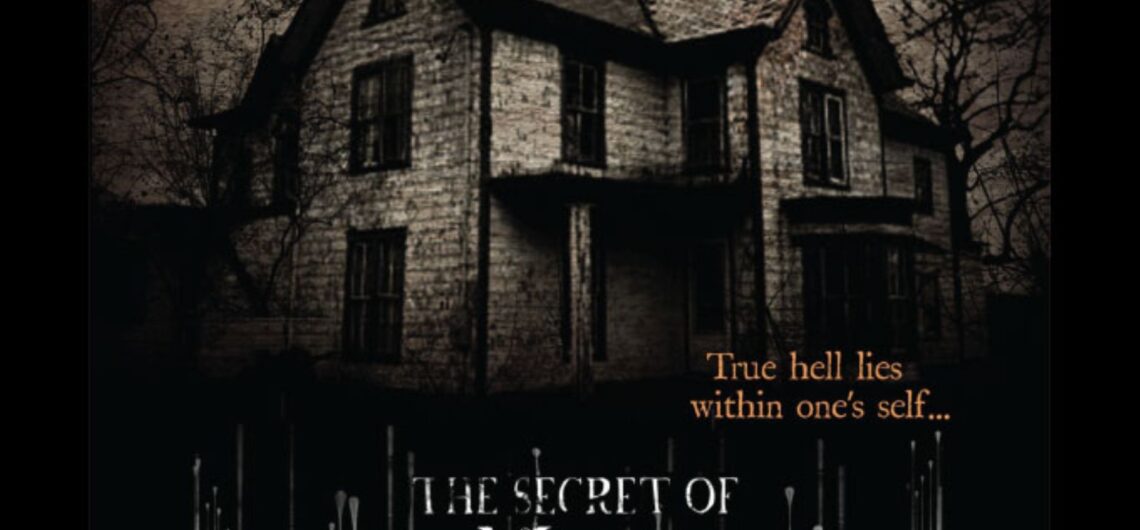
Casa Matusita: Legends of Downtown Lima, Peru Casa Matusita has been the epicenter of numerous stories that have captured the imagination of Lima's residents for decades. According to the tales, disturbing events and inexplicable occurrences have happened behind its walls, giving rise to myths that remain alive over time. One of the best-known legends tells of a dinner that ended in tragedy, when the guests, in a fit of madness, attacked each other until they died. This episode, according to believers, left a spiritual charge so strong that it can still be felt in the house's atmosphere. Another popular tale claims that in the past, a tenant obsessed with the occult performed rituals that supposedly opened portals to unknown dimensions. These rituals are said to have left an energetic trail that turned the house into a hotspot for constant paranormal activity. Neighbors claim that at night, screams and wails can be heard coming from inside, even when the place is empty. It is also said that those who have tried to challenge the stories and spend a full night inside the house have ended up deeply affected. Some, as rumored, have lost their minds, while others have experienced a series of terrifying phenomena such as inexplicable movements of objects, feelings of being watched, and visions of shadowy figures. The fascination with these legends has fueled debates about the real nature of the events told, but even the most skeptical cannot help but feel a chill when passing in front of the building. The atmosphere surrounding it, charged with mystery and fear, is hard to ignore. Each story, whether true or exaggerated over time, has contributed to cementing the image of Casa Matusita as a place that leaves no one indifferent. History and Location Casa Matusita is one of the most
Casa Matusita: Legends of Downtown Lima, Peru Casa Matusita has