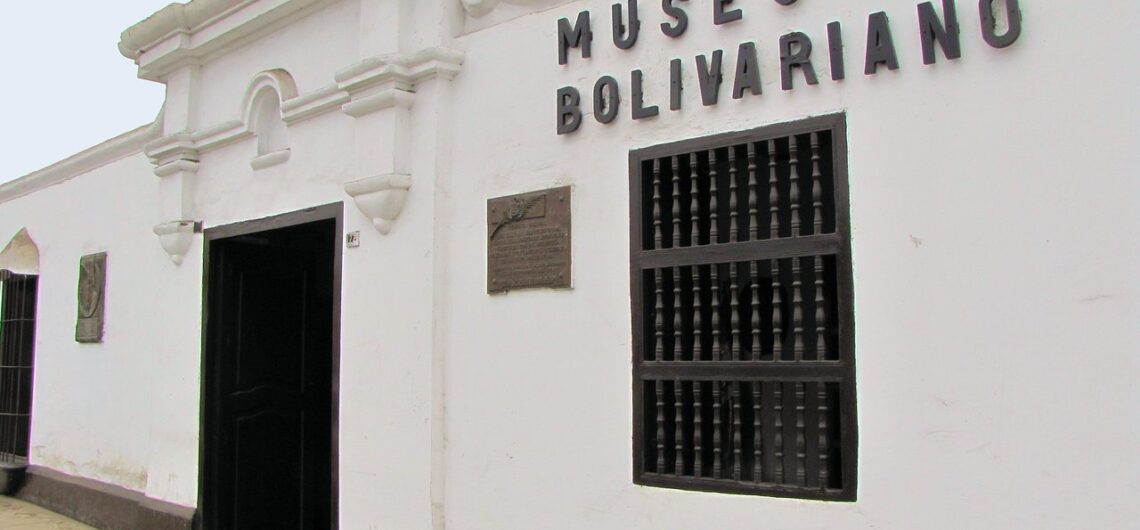
Simón Bolívar’s House in Pativilca: A Historical Legacy in Peru
Located in the picturesque district of Pativilca, on Peru’s northern coast, Simón Bolívar’s House is a site of profound historical and cultural importance. This iconic place is a landmark for those who want to explore not only the country’s history, but also the Liberator’s legacy on Peruvian soil. As you walk through its doors, visitors are transported to an era marked by the struggle for independence and the desire for freedom that transformed the South American continent.
Every corner of Simón Bolívar’s House in Pativilca reflects unique aspects of the colonial era and the historical events that took place there. The structure and the objects preserved inside offer a fascinating look at the conditions and contexts in which Simón Bolívar, along with other revolutionary leaders, forged the strategies that would shape Peru’s future. From its architecture to the stories its walls still seem to whisper, the house invites you on a tour full of meaning and reflection. 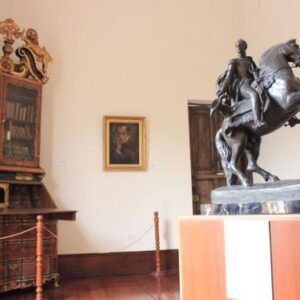
Pativilca’s geographic setting adds a special nuance to the value of this historic place. Set in an environment that blends tradition and nature, the house is more than an architectural space; it is a living testament to the role this corner of Peru played in the most decisive moments of the struggle for independence. Its strategic location and the symbolism it holds make it a point of interest for both historians and tourists seeking to understand Bolívar’s impact in this region.
In addition to its historical relevance, Bolívar’s House stands out as a place where you can tangibly experience the spirit of a crucial era. It is a space that invites reflection on the ideals of freedom and justice, while also offering a direct connection to the roots of Peru’s national identity. The experiences lived in this site go beyond the purely educational, as they allow visitors to feel part of a narrative that defined the course of a nation and an entire continent.
History of Simón Bolívar’s House
Simón Bolívar’s House in Pativilca, set in surroundings that preserve the essence of the colonial era, was originally built with traditional materials such as adobe and roof tiles. These elements reflect the predominant architectural character in the region during the 19th century. The structure has witnessed multiple transformations aimed not only at preserving its original condition, but also at ensuring its longevity in the face of time and adverse weather conditions.
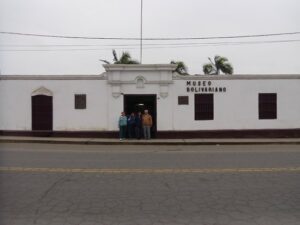 In its early days, the house served as a functional space, adapted to the needs of everyday life in the colonial era. However, its historical value was cemented by the momentous events that took place inside during the years when Simón Bolívar led the independence efforts in South America. During those times, the property became a center for strategic planning and a meeting place for key historical figures.
Over the years, the interventions carried out on the house have sought to balance historical authenticity with modern conservation requirements. This includes restoring architectural details and implementing techniques designed to protect the original walls, which still tell stories of the past. Some objects preserved in the house, such as furniture and documents from the period, offer tangible testimony to its importance within the context of Peru’s struggle for independence.
In addition, maintenance work has taken into account the need to keep intact the elements that reflect the site’s unique character. For example, the interior spaces have been carefully arranged to recreate the house’s original atmosphere, allowing visitors to imagine what life was like during the time Bolívar occupied this residence. These initiatives not only protect the building’s architectural value, but also highlight its historical relevance as a symbol of resistance and social transformation.
Today, the house stands as a reminder of Bolívar’s impact and his fight for independence, as well as a notable example of the colonial construction techniques that defined an era. Its walls, still standing strong, evoke the spirit of a crucial time, serving as a living link between the present and the past.
Bolívar’s Stay in Pativilca
During his time in Pativilca, Simón Bolívar found in this region a strategic refuge that allowed him to reorganize his forces and assess the political and military situation of the moment. Despite the adversities he faced, such as health problems and pressure from enemy forces, Bolívar used this period to reaffirm his commitment to the independence cause and strengthen his leadership among local allies.
Simón Bolívar’s House in Pativilca was the setting for important meetings where strategic plans were discussed to confront the royalist army. These gatherings included prominent Peruvian leaders, who recognized the importance of coordinating efforts with Bolívar to consolidate the region’s independence. These meetings not only marked the beginning of new alliances, but also strengthened the patriots’ morale at a critical moment. 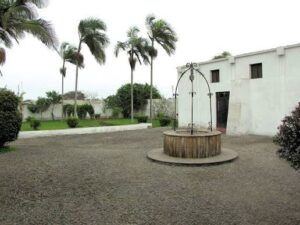
One of the most significant aspects of Bolívar’s stay in Pativilca was his ability to inspire those around him. Through his charisma and determination, he managed to instill confidence in his followers and convince them that independence was achievable, even in the face of difficulties. This period was crucial in laying the groundwork for the campaigns that would eventually lead to Peru’s definitive liberation.
During his stay, Bolívar not only devoted himself to military planning, but also took the time to study and analyze the region’s social and economic conditions. This knowledge allowed him to develop more effective strategies that considered the needs and expectations of the Peruvian people, thereby reinforcing popular support for the revolutionary cause.
In addition, the time Bolívar spent in Pativilca demonstrated his ability to adapt to circumstances and find innovative solutions to the challenges he faced. The house, with its austere yet meaningful atmosphere, was a space where Bolívar could reflect on the future of the independence struggle and consolidate his vision of a continent free from the colonial yoke.
Simón Bolívar’s Legacy in Peru
Simón Bolívar’s influence on Peru’s independence process extends beyond his military achievements. His charismatic leadership and his ability to unite different sectors of Peruvian society played an essential role in consolidating republican ideals. During his time in the country, Bolívar promoted not only political independence, but also the creation of a national identity based on the principles of freedom, equality, and justice—elements that profoundly shaped the nation’s course.
The strategic alliances Bolívar managed to establish with local leaders and independence movements were key to confronting the royalist forces, enabling the organization of effective campaigns that would culminate in decisive battles such as Junín and Ayacucho. These victories not only meant the end of Spanish rule in Peru, but also positioned the country as a central player in the independence of all South America. Bolívar’s integrative vision, which sought the unity of Latin American peoples, resonated in Peru and left a lasting impact on the politics and thought of the time.
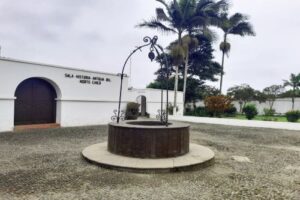 In addition, Bolívar’s legacy is reflected in the reforms he promoted during his stay in the country. In his role as a political leader, he pushed significant changes in areas such as education, the economy, and the organization of the state. Although many of these initiatives faced resistance or were not fully implemented, they laid the groundwork for future transformations that would be essential in building modern Peru. His ability to articulate a long-term vision for the country highlighted his role not only as a liberator, but also as a political strategist.
The time Bolívar spent in Peru was also a period of mutual learning. On the one hand, the Liberator adopted aspects of local culture and traditions, integrating them into his perspective on independence and regional identity. On the other hand, his presence inspired generations of Peruvians to fight for a fairer and freer society—an ideal that remains alive in the country’s collective imagination. Bolívar’s ideas about the need for a united and independent Latin America still resonate as a reminder of the challenges and opportunities the region faces.
Finally, his commitment to the cause of independence left a mark that transcends military or political milestones. Bolívar became a symbol of resistance against oppression and an example of perseverance in the pursuit of a more egalitarian continent. In Peru, his figure continues to be studied, remembered, and honored, especially in iconic places such as Simón Bolívar’s House in Pativilca, which has become a space that connects visitors with the history and values he defended. The Liberator’s influence in Peru is not limited to the past; it remains a source of inspiration for present and future challenges.
Bolívar’s House as a Tourist Attraction
Bolívar’s House in Pativilca offers visitors the opportunity to step into a space that combines history, culture, and colonial architecture. This iconic place allows those who tour it to relive the most important moments of Simón Bolívar’s stay in this region. The rooms of the house are carefully arranged to reflect what life was like at the time, and specialized guides share fascinating details about the historical events that took place at this site, providing an enriching educational experience. 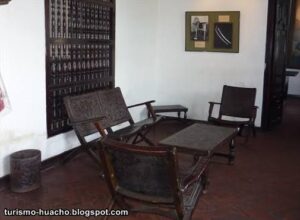
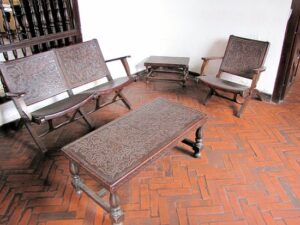
Inside, visitors can see a collection of historical objects and documents that help contextualize the importance of the house within the independence process. Among the most notable items are original furniture from the period, maps used for military planning, and other articles that reveal lesser-known aspects of the daily life of Bolívar and his contemporaries. Every detail helps paint a more complete portrait of this crucial period in Peru’s history.
In addition to the permanent exhibits, Bolívar’s House organizes cultural events and themed activities that seek to bring people closer to the Liberator’s legacy. These initiatives include workshops, talks, and historical reenactments that allow attendees to interact with the past in a more dynamic way. It is common for special events to be held on commemorative dates that enhance the symbolism of this place as an epicenter of historical memory.
The surroundings where the house is located also enrich the visitor experience. Pativilca, with its traditional charm and connection to nature, provides a unique setting that invites exploration beyond the historic site. Many tourists take advantage of their visit to explore the area, enjoying local hospitality and the region’s typical cuisine. This combination of history and living culture makes Bolívar’s House a unique destination that attracts both historians and travelers interested in discovering Peru from a different perspective.
For those looking to delve deeper into the context of South American independence, Bolívar’s House offers a space where the human and strategic aspects of this historic feat intertwine. The stories shared within its walls make it possible to better understand the sacrifices and challenges faced by Bolívar and his allies, highlighting the relevance of his legacy in building a free nation. The atmosphere of the place invites reflection, transporting visitors to an era that marked a turning point in the continent’s history.
In an effort to make the visit an inclusive and accessible experience, the site has incorporated interactive technologies such as digital guides and multilingual information panels, which complement the traditional tour. These tools allow people of all ages and backgrounds to enjoy an immersive and meaningful experience. In addition, collaboration with educational institutions has made the house an invaluable resource for students and teachers interested in exploring up close the historical processes that shaped Peru.
Conservation and Preservation of the House
The conservation of Simón Bolívar’s House in Pativilca represents an ongoing commitment to protecting an invaluable historical heritage. Over the years, this iconic place has undergone multiple interventions aimed at ensuring that its structure and contents remain intact for future generations. One of the main priorities has been to maintain the authenticity of the property, respecting original materials such as adobe and roof tiles, which reflect the colonial architectural style of the time.
The restoration process not only involves the physical recovery of architectural elements, but also the implementation of preventive measures that reduce the impact of the climate and the passage of time. To achieve this, conservation specialists have used modern techniques that, at the same time, honor traditional construction methods. These actions include stabilizing the walls, repairing roofs, and consolidating areas that show significant wear.
 One of the most notable challenges in preserving the house is balancing the need for historical conservation with the interest in making it accessible to the public. In this regard, spaces have been developed that allow visitors to explore the site without compromising the integrity of its structure. For example, walkways and signage have been installed to facilitate the tour without altering the site’s original details. Likewise, sustainable practices have been adopted to minimize the environmental impact associated with tourist visits.
Collaboration with experts in history and archaeology has also been fundamental to ensuring that preservation covers not only the physical aspects, but also the site’s historical value. The objects and documents displayed inside the house have been carefully cataloged and protected under controlled conditions, allowing these testimonies of the past to continue telling the story of Bolívar and his impact on the independence process.
A crucial aspect of conserving Bolívar’s House has been the involvement of the local community. The residents of Pativilca play an active role in protecting this heritage, participating in educational activities and events that highlight the site’s historical importance. In addition, site management has worked in partnership with public and private institutions to obtain the resources needed for restoration and ongoing maintenance.
Another significant effort has been the digitization of part of the historical content related to the house. This not only contributes to preserving delicate documents and objects, but also allows people around the world to access this heritage virtually, promoting its global recognition. The incorporation of modern technologies, such as virtual tours and interactive applications, complements physical visits, offering a more complete and enriching experience.
Through these joint efforts, Simón Bolívar’s House is preserved not only as a historic building, but also as a living symbol of the struggle for freedom and a space that connects visitors with the values and events that defined the destiny of Peru and South America.


Comments