Hidden mysteries in the Catacombs of Lima, Peru
The Catacombs of Lima, Peru, are one of the most enigmatic sites from the colonial era. Originally built as part of the Church of San Francisco, these underground crypts were used for centuries as a communal cemetery, housing the remains of thousands of people. At the time, it was common for churches to include underground burial spaces, following traditions brought by the Spanish conquistadors. With their narrow passageways and chambers, the catacombs were seen not only as a place to bury the dead, but also as a space for spiritual reflection and a connection with eternity.
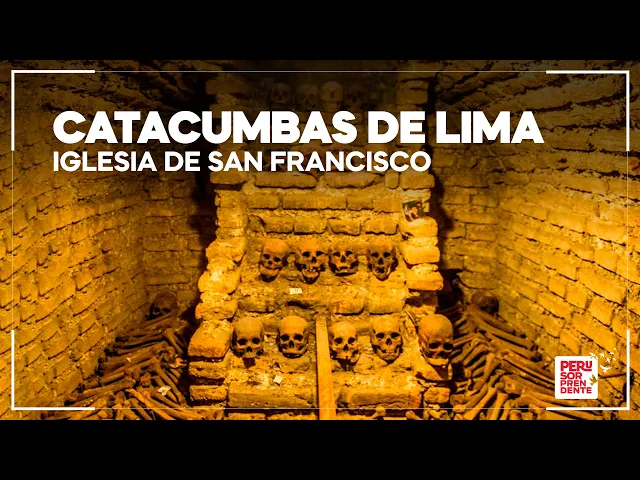
During the 17th and 18th centuries, the use of these catacombs reflected the social hierarchy of the time. Only those with a certain social standing or influence had the privilege of being buried here. The remains, carefully arranged in mass graves, were treated with respect and symbolism, in keeping with the religious practices of the era. This system also responded to the need to maximize space in a growing city.
Over time, and after modern cemeteries were established in the 19th century, the catacombs stopped being used as a burial site. However, their existence remained in the collective memory, sparking curiosity and fascination in later generations. Today, they are considered a place of great historical and cultural value, preserving the essence of a colonial Lima deeply shaped by the spirituality and customs of that time.
Architecture and Design
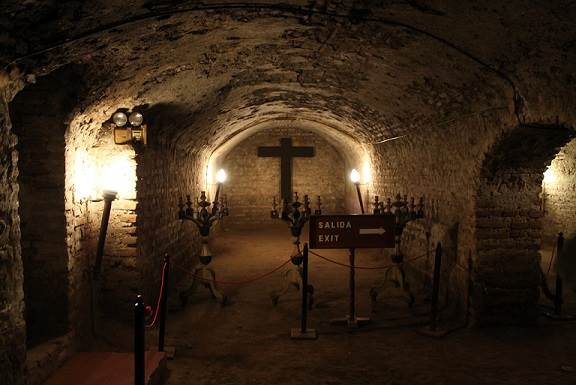
The catacombs feature an architectural design that reflects the functionality and aesthetics of the colonial era. The underground passageways, carefully planned, allow for an efficient distribution of space, creating an interconnected network that made both access and the placement of human remains easier. Each chamber was built with durable, locally sourced materials such as brick and lime, combined with masonry techniques that ensure it withstands the passage of time.
One notable detail is the strategic layout of the vaults and pillars, which not only reinforce the structure but also optimize ventilation. This helped control the buildup of odors, a crucial factor in a space designed to hold thousands of people. In addition, the walls and ceilings have an austere yet effective finish, prioritizing function over ornamentation.
The geometry of the catacombs, with their labyrinth-like layout, not only meets practical needs but also seems designed to evoke an introspective, solemn atmosphere. The arched ceilings and narrow passageways help create an ambience that highlights the site’s mystical and spiritual character. This architectural approach was not only functional, but also reflected the beliefs and values of colonial society.
Life in the Catacombs
The catacombs of Lima were a space reserved for religious activities and rituals deeply tied to the spirituality of the time. These rituals were meant not only to honor the deceased, but also to reinforce the bond between the living and the dead in a context of faith and devotion. Masses held in these dark passageways created an atmosphere of introspection and reverence, where prayers and chants echoed off the stone walls, amplifying the solemnity of the moment.
The human remains, carefully arranged in the crypts, were often blessed during ceremonies that brought together select members of Lima’s society. These practices reflected the colony’s social hierarchy, giving symbolic meaning to the spaces within the catacombs. Influential families considered it an honor for their loved ones to rest in this sacred place, where it was believed they were closer to attaining eternal peace.
In addition to ceremonies, the corridors are believed to have served as temporary refuge for clergy and devotees during times of persecution or crisis. This multifaceted use gave the catacombs an almost mystical character, fueling the perception that they were far more than simple burial spaces. Candles and torches used to light the ceremonies cast dancing shadows that intensified the mysterious atmosphere of these underground chambers.
Tourism in the Catacombs
Exploring the Catacombs of Lima, Peru, is an experience that transports visitors to colonial Lima, offering a unique window into the traditions and beliefs of that era. During the tour, you can see how the human remains are arranged in organized patterns that reflect the meticulousness and symbolism of ancient funerary practices. Local guides, experts in the site’s history and architectural details, enrich the visit with fascinating stories and little-known facts.
The atmosphere of the underground corridors, with dim lighting and the echo of footsteps on the brick floor, adds an air of mysticism that captivates visitors. In addition, detailed explanations of the uses and functions of each space within the catacombs help you better understand their relevance in Lima’s historical and cultural context. During the visit, you’ll explore the larger chambers as well as the narrow passageways that lead to other sections of the complex, each with its own story.
For safety and conservation reasons, visits are organized in small groups, ensuring a more intimate and respectful experience of the site. It’s important to keep in mind that, due to the nature of the space, the tour may not be suitable for people with claustrophobia or mobility issues. Even so, for those who choose to discover this historic corner, the visit becomes an unforgettable journey into the city’s past.
Myths and Legends
Over the years, the Catacombs of Lima have inspired countless myths and stories that weave history with the supernatural. It’s said that during the colonial era, the underground tunnels were used as secret escape routes for clergy and members of high society, although the existence of such extensive passageways has never been confirmed. These tales have fueled the collective imagination, leading some to believe there are still hidden doors yet to be discovered.
Another popular story says that, because of the number of people buried there, the souls of the dead have never found complete rest. According to certain local beliefs, these souls wander the dark corridors, especially at night, creating echoes and strange movements that some visitors claim to have sensed. These experiences have made the catacombs seem like a place where the spiritual and the earthly coexist in an unsettling way.
There is also talk of a supposed “heart” of the catacombs—a mysterious chamber that has never been located but that, according to legend, holds unspeakable secrets linked to forgotten rituals. This story, though lacking evidence, has sparked the curiosity of researchers and tourists alike, who seek to unravel the mysteries that still seem to lie hidden beneath the stones.
On the other hand, some insist the catacombs are protected by a spiritual presence that watches over their preservation. It’s said that those who have tried to desecrate the site have suffered unexplained misfortunes, reinforcing the perception that this place holds a unique and powerful energy. These stories, passed down orally over time, help maintain the aura of mystery surrounding this fascinating corner of Lima.
Preservation and Conservation
Preserving the Catacombs of Lima requires a detailed approach to protect both their architectural structure and the historical elements they contain. One of the main concerns is controlling the environmental conditions inside the site, as humidity and inadequate ventilation can speed up the deterioration of materials and the human remains placed there. To address this, monitoring systems have been implemented to assess and regulate these factors continuously.
Restoration work, carried out by heritage experts, aims to maintain the site’s authenticity while reinforcing the most vulnerable areas. This includes treating original materials such as brick and lime, respecting the construction techniques of the colonial era. Likewise, regular inspections are conducted to identify possible cracks or structural damage that could compromise the safety of the site.
In addition, visitors are encouraged to understand the importance of respecting the rules in place during the tour. This includes avoiding direct contact with the structures and remains, as well as following the guides’ instructions to minimize human impact on the site. Limiting the number of visitors per group also helps reduce pressure on the most delicate areas.
Collaboration between cultural institutions, archaeologists, and local authorities is key to ensuring the catacombs are preserved as an invaluable testament to Lima’s past. These joint efforts aim not only to preserve the site as a tourist attraction, but also as a historical legacy that connects today’s generations with the traditions and beliefs of earlier times.
Location: The Catacombs of Lima – Peru
If you have any questions about this tour or any other such as prices, hotels, itinerary and everything needed to book this tour please contact us on WhatsApp: +51 947392102 (Click Here).
Or send us an email to: contacto@condorxtreme.com and our travel experts will assist you as quickly as possible, answering all your questions and/or inquiries about any specific excursion.


Comments