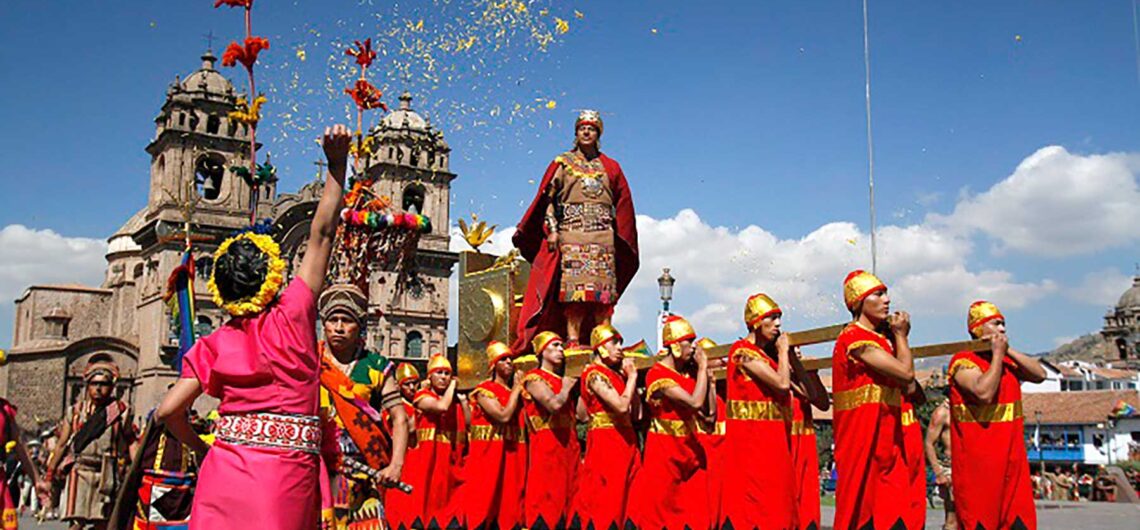
The Inti Raymi Festival in Cusco: An Ancestral Celebration
Inti Raymi is an iconic celebration that has its origins in the era of the Inca Empire, when tribute was paid to the god Inti, the central deity in the Andean worldview. This festival was established as a show of gratitude toward the sun, whose presence was essential for agriculture and the daily life of Andean communities. During the Inca period, Inti Raymi symbolized the start of a new agricultural cycle, marking a moment of spiritual renewal and communion with nature.
The event took on an impressive scale, gathering thousands of people in the empire’s ancient capital, Cusco. Nobles, priests, and representatives from different regions met to participate in ceremonies that included dances, music, and rituals deeply charged with symbolism. Although the festival was suppressed after the arrival of the Spanish, the tradition remained alive in the collective memory of the people of Cusco, being reborn in the 20th century as a cultural representation that blends historical and contemporary elements. 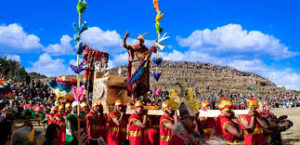
Today, Inti Raymi is much more than a cultural event; it is an opportunity to connect with the ancestral roots of the Andes and celebrate the richness of its history and traditions. The festivity not only highlights the importance of the sun as a source of life but also fosters a sense of identity and belonging among those who participate in it.
Festival Preparations
The preparations for Inti Raymi reflect the commitment and dedication of the Cusco community to keep this ancestral tradition alive. From the first months of the year, organizational work begins, involving both local authorities and various cultural institutions. The main goal is to ensure that every detail is aligned with the essence and historical significance of the festival.
One of the most notable aspects is the selection of the actors who will represent the Inca, the Coya, and their entourage. This process is carried out with great care, as the aim is for the chosen individuals to understand the importance of their roles and convey the majesty of Inca culture. Rehearsals take place over several weeks, and participants prepare not only in terms of acting but also in interpreting the symbolism of their characters.
 The creation of traditional costumes is another crucial element in the preparations. Designed based on historical research, the outfits are made of fabrics that reflect the techniques and patterns used in the Inca era. Local artisans play a fundamental role in this process, incorporating details that highlight the cultural richness of the Andes. Each garment is handcrafted, which emphasizes the authenticity of the event.
Additionally, community meetings are organized to coordinate parallel activities that will take place during the festival. These include cultural fairs, traditional dance and music workshops, and art exhibitions. All of this aims to create a festive atmosphere that allows both locals and visitors to fully experience the cultural wealth that Inti Raymi represents.
The logistical deployment is also impressive. Specific routes and schedules are established for transporting attendees, both locals and tourists. Safety is a priority, and a comprehensive plan is deployed that includes coordination with local police and volunteers who are responsible for guiding visitors and providing information. Proper signage and the installation of information points in different parts of the city facilitate the experience for those arriving in Cusco to enjoy the festival.
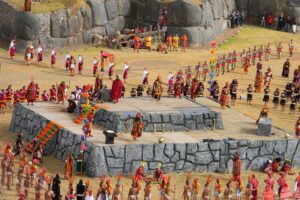
Regarding the spaces where the performances will take place, such as the Sacsayhuamán esplanade, conditioning work is carried out to ensure the comfort and safety of attendees. Bleachers and designated areas are installed so that spectators can appreciate every detail of the ceremonies without difficulty. Likewise, specific zones are established for the sale of crafts and food, ensuring that these activities complement the festival experience without interfering with its main development.
Ceremonies and Rituals
The Inti Raymi ceremonies are a carefully crafted representation that transports attendees to the splendor of the Inca Empire. At the heart of these ceremonies is the figure of the Inca, accompanied by the Coya and their entourage, who lead rituals full of symbolism. The rituals include offerings dedicated to the sun god, Inti, as a sign of gratitude and veneration for his vital energy. These offerings, which usually include agricultural products and finely crafted textiles, reflect the importance of the sun in the Andean worldview and its essential role in the daily life of the communities.
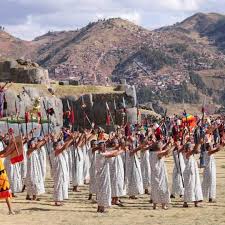
One of the most impressive moments of the festival is the display of traditional dances, performed by groups representing the different regions that were part of the Tahuantinsuyo. Each dance has specific movements that symbolize aspects of life, nature, and Andean spirituality. The dancers, dressed in colorful costumes and ornaments that evoke the Inca era, recreate the cultural richness and diversity of Andean traditions.
Music also holds a central place in the ceremonies. Instruments such as quenas, panpipes, and drums create a magical atmosphere, connecting spectators with the past and the present. The sounds, carefully harmonized, accompany each stage of the ritual, reinforcing the solemn and spiritual character of the event. Every musical note is loaded with symbolism, evoking both celebration and introspection.
The organization of the ceremonies follows a meticulous sequence that mimics original Inca practices. From the Inca’s departure from the Coricancha to his arrival at Sacsayhuamán, every step is a ceremonial act that seeks to maintain historical authenticity. The actors embodying these roles move with grace and precision, following established protocols to ensure the representation is faithful to its cultural roots. 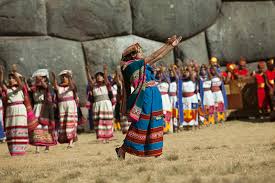
In addition to the main rituals, the ceremonies include symbolic interactions between the Inca and representatives of the four suyos, the regions that made up the vast territory of the Tahuantinsuyo. These interactions reinforce the idea of unity and collaboration, fundamental values of the Inca worldview. The dialogues and gestures performed during these scenes emphasize respect for nature and the importance of reciprocity as an essential principle of coexistence.
The use of sacred spaces, such as the Sacsayhuamán esplanade, adds a level of spiritual depth to the ceremonies. These places, considered centers of energy and connection with the divine, become ideal stages for carrying out the rituals. The choice of these sites is not accidental, as they reflect the symbolic relationship between the earth, the sky, and humanity, pillars of Andean philosophy.
The Inti Raymi ceremonies not only evoke the splendor of an ancient civilization but also allow attendees to experience a deep connection with the spiritual and cultural legacy of the Andes.
Tourist Activities
The Inti Raymi festival stands out not only for its ancestral ceremonies but also for the variety of tourist activities that enrich the experience of those visiting Cusco during this celebration. Among the most popular activities are guided tours of the city, which allow visitors to explore historical sites that have a direct connection to the Inca legacy. These tours include visits to the Coricancha, the Plaza de Armas, and the imposing fortress of Sacsayhuamán, where the central part of the festival takes place.
Furthermore, during the days before and after Inti Raymi, cultural workshops are organized that give tourists the chance to learn about Andean traditions. These workshops range from teaching traditional dances to creating crafts inspired by Inca designs. Participating in these activities not only allows attendees to immerse themselves in the local culture but also to take home a meaningful memory of their experience in Cusco.
 Another very interesting option for visitors is the craft fairs set up in different parts of the city. At these fairs, local artisans offer unique products, such as textiles made with ancestral techniques, handmade jewelry, and decorative objects that reflect Inca symbolism. Tourists have the opportunity to interact directly with the creators of these pieces, learning about the processes and meanings behind each product.
Nature lovers also find activities that complement their Inti Raymi experience. Cusco and its surroundings offer stunning landscapes, ideal for excursions and hikes. Many visitors take advantage of their stay to go on tours to iconic places like the Sacred Valley of the Incas or even plan their visit to the world-famous citadel of Machu Picchu, thus maximizing their time in this region full of history and natural beauty.
During the festival, the streets of Cusco come alive with outdoor artistic performances. From musical groups playing Andean melodies to theater companies recreating historical episodes, these cultural manifestations offer a vibrant and authentic experience. The city’s squares and parks become stages where locals and tourists gather to enjoy these cultural expressions.
On the other hand, the gastronomic offerings during Inti Raymi perfectly complement the tourist activities. In markets and culinary fairs, visitors can try typical dishes that stand out for their flavor and authenticity, such as corn with cheese, humita, and traditional drinks like chicha de jora. This culinary aspect allows for the exploration of another dimension of Andean culture, connecting attendees with the richness of local products and gastronomic traditions that have endured over time.
For those looking for a more complete experience, many local agencies offer personalized tour packages that combine festival attendance with visits to historical sites, cultural activities, and gastronomic experiences, creating unique itineraries tailored to different interests.
Gastronomy at Inti Raymi
During Inti Raymi, local gastronomy takes on a special role, offering visitors a sensory experience that complements the cultural festivities. The flavors of Andean cuisine are presented in all their authenticity, highlighting the deep connection between traditional ingredients and culinary practices passed down from generation to generation. This festival is a unique opportunity to taste recipes that keep the legacy of the ancient Incas alive and reflect the diversity and richness of the Andes.
One of the great culinary attractions during the festival are the dishes prepared with native ingredients, such as potatoes and corn, fundamental products in the Andean diet since ancient times. In the food fairs set up in Cusco during Inti Raymi, you can find specialties like the tamale, a corn preparation filled with meat or cheese, wrapped in corn husks and steamed. Another favorite is the rocoto relleno, a typical pepper from the region served stuffed with seasoned meat and topped with melted cheese, blending modern techniques with traditional flavors.
Additionally, dishes involving ritual cooking processes stand out, such as the pachamanca, where meats, tubers, and herbs are cooked in an underground oven heated with stones. This method, loaded with symbolism, directly connects those who consume it with the ceremonial agricultural practices that are part of the Andean worldview. Trying this dish during Inti Raymi is not only a delight for the palate but also an encounter with the living history of the region. 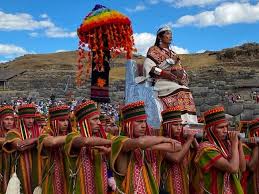
Choclo con queso (corn with cheese), simple yet iconic, is another option that captivates attendees. This large-kernel corn, accompanied by fresh local cheese, stands out for its natural flavor and its representation of the basic foods that sustained Andean communities. Likewise, you can find traditional drinks like chicha morada, made from purple corn, or chicha de jora, a fermented drink that holds deep ceremonial significance.
Pastries also have their place at Inti Raymi. Sweets like maicillo, made with corn flour and panela, or queso helado, an artisanal dessert served cold and prepared with milk, cinnamon, and coconut, delight those looking for something sweet to complete their gastronomic experience. These preparations are the result of the blend between ancestral techniques and elements introduced during the colonial era, making them a reflection of the cultural mixing that characterizes the region.
Local markets are filled with colors and aromas, where visitors can interact with producers and cooks who share stories about the origins of the ingredients and the secrets of their recipes. It is common to see food being prepared on the spot, which adds a touch of authenticity and allows you to enjoy the entire process, from preparation to tasting.
Attendee Experiences
Inti Raymi, more than just a cultural event, becomes a transformative experience for those who have the chance to witness it. Attendees recount how every aspect of the festival, from the ceremonies to the parallel activities, manages to transport them to the era of the Tahuantinsuyo, allowing them to connect with the historical and spiritual richness of Andean culture. The authenticity of the representations and the dedication of the participants are aspects that tourists highlight as key elements that make this festival unique.
One of the most exciting moments shared by visitors is their arrival at Sacsayhuamán, where the scale of the natural setting and the energy of the ceremonies leave an indelible impression. The visual impact of the traditional costumes, the harmonious movements of the dances, and the sounds of Andean music create a magical atmosphere that captivates the senses. Many attendees mention how this experience helps them understand the deep connection between nature, spirituality, and culture that defined the lives of the ancient Incas.
For international tourists, Inti Raymi is not only an opportunity to learn about one of history’s most fascinating civilizations but also to interact with the local community and experience their hospitality. Additional activities, such as cultural fairs and craft workshops, enrich their stay, giving them the chance to take home a meaningful and personalized memory. Furthermore, the gastronomic offerings during the festival add a special touch, allowing them to savor the diversity of the Andes in every dish.
National visitors, on the other hand, highlight the pride of being part of a celebration that showcases their country’s roots and cultural identity. Many find in Inti Raymi an opportunity to reconnect with their own traditions and discover the importance of preserving them for future generations. The excitement of sharing this experience with people from different parts of the world reinforces the sense of community and belonging that the festival inspires.
Those who have attended Inti Raymi agree that the key to fully enjoying the event is arriving with an open mind and deep respect for local traditions. Beyond being a spectacle, the festival represents an encounter with the past, a tribute to the sun and the earth, and a celebration of the diversity and cultural richness of the Andes. Without a doubt, each visitor takes away a unique experience and unforgettable memories that transcend time and space.


Comments