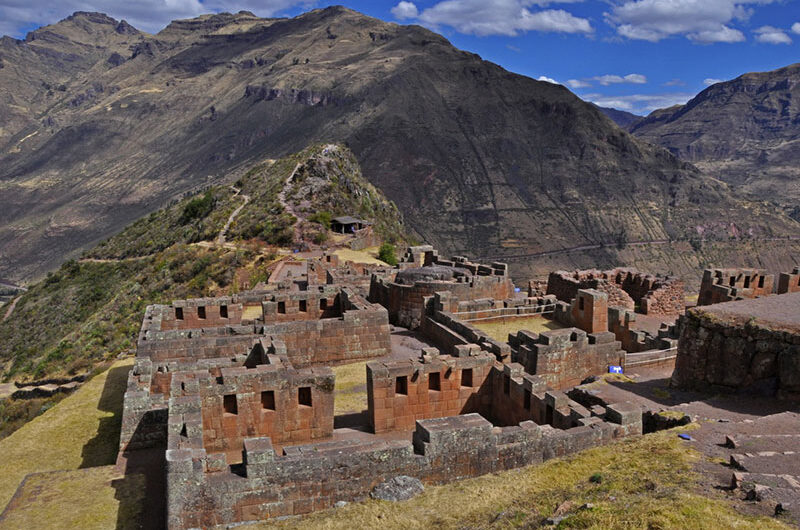
History and Magic at the Pisac Archaeological Park
Located in the heart of the Sacred Valley of the Incas, the Pisac Archaeological Park is a must-visit destination for those wishing to explore the grandeur of the Inca legacy. This site combines stunning natural landscapes with architectural remains that reveal the mastery of a civilization that thrived in complete harmony with its surroundings. Pisac stands as a place where every corner tells a story, from the imposing agricultural terraces to the remains of temples and ceremonial buildings. Surrounded by majestic mountains and an air of mystery, the park offers an unforgettable experience for lovers of history, archaeology, and nature.
Cultural and Archaeological Importance
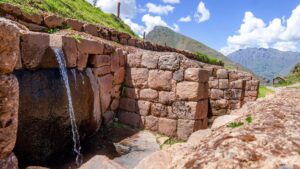
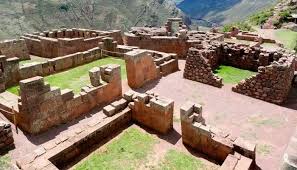
The Pisac Archaeological Park stands out as an architectural and cultural gem in the Sacred Valley. This site reflects the Incas’ ability to integrate functionality and symbolism into their constructions. Their agricultural terraces not only optimized land use but also demonstrated a deep understanding of hydraulic engineering and environmental adaptation. Furthermore, the stone structures show amazing precision in their design, with perfectly fitted blocks that withstand the passage of time. 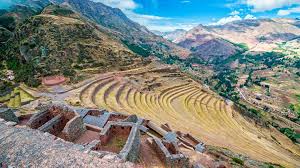
Pisac served multiple functions, from being a ceremonial center to serving as an important strategic point in the Qhapaq Ñan road network. Researchers believe its location was not accidental, as the site offered panoramic views of the valley and allowed for efficient control of the region’s trade and agricultural routes. Likewise, the temples and sacred enclosures, such as the Temple of the Sun, suggest that Pisac played a key role in the religious and astronomical practices of the Incas.
Another relevant aspect is the connection of its buildings with Andean cosmogonic beliefs. The distribution of spaces and the orientation of the structures indicate a symbolic relationship with the stars and natural cycles, reaffirming the importance of the site in the Inca worldview.
Main Attractions of the Park
The Pisac Archaeological Park houses a variety of structures and landscapes that stand out for their historical and architectural value. One of the most striking elements is the andenes (terraces), which stretch across the mountain slopes in a harmonious and functional design. These terraces represent not only an agricultural achievement but also a testament to Inca ingenuity in making the most of natural resources.
Another point of interest is the ceremonial area, where stone enclosures denote meticulous construction. The Temple of the Sun, for example, draws attention for its design oriented toward astronomical phenomena, suggesting its use in rituals and celestial observations. The ceremonial structures are surrounded by an air of mysticism that invites reflection on Inca beliefs.
 In addition to the ceremonial areas, the park features residential enclosures and storehouses, which provide clues about daily life and food storage strategies in past times. These buildings allow visitors to imagine what social and economic organization was like during its era of splendor.
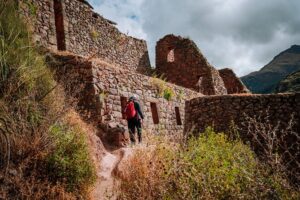
An interesting detail of Pisac is the network of paths connecting the different areas of the site. These routes were part of the Qhapaq Ñan road system, the impressive Inca road network that facilitated transport and communication throughout their vast empire. The trails that cross the park not only allow for movement between the different sectors but also offer spectacular panoramic views of the valley and surrounding mountains.
Finally, the Inca cemeteries, located on the nearby slopes, reveal the spiritual importance of the place. The tombs excavated into the rocks show the connection of the Incas with their ancestors and the importance of paying tribute to the deceased. These elements, along with the park’s natural environment, enrich the experience of touring one of the most fascinating archaeological sites in the Cusco region.
Flora and Fauna in Pisac
The Pisac Archaeological Park is also a space where nature displays its richness and diversity. The local flora includes native species adapted to the Andean heights, such as ichu, a hardy grass that grows in the highest areas, and various medicinal plants used by local communities since ancestral times. This botanical knowledge has been passed down from generation to generation, keeping alive a tradition that connects people with their natural environment. 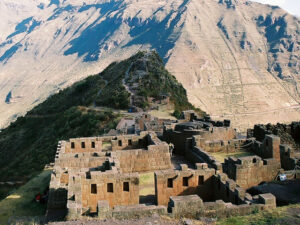
Regarding the fauna, Pisac is home to a variety of animals that find refuge in its mountains and valleys. Among the most notable birds is the giant hummingbird, which flits near the flowers, and the Andean cock-of-the-rock, known for its vibrant plumage and unique courtship dance. Mammals such as the viscacha, an Andean rodent that camouflages itself among the rocks, and occasionally the Andean fox, are part of the local ecosystem. Additionally, in the skies of Pisac, it is not uncommon to spot the majestic Andean condor, a symbol of the Andes, gliding elegantly over the peaks.
The area’s biodiversity is enriched by the microclimate of the Sacred Valley, which allows for the coexistence of species from different altitudes. Queñua forests, one of the few tree species that grow at high altitudes, offer shelter and food to many of these creatures, playing a vital role in the ecological balance. Likewise, insects and small reptiles inhabiting the rocky areas contribute to the food chain and the health of the ecosystem.
Walking the park’s routes allows visitors to experience this natural wealth up close, discovering the sounds of birds and the scent of plants that envelop the landscape. Each trail is an opportunity to appreciate how the Incas valued and respected nature, integrating it into their daily activities and worldview.
Tips for Visiting Pisac
To make the most of your visit to the Pisac Archaeological Park, it is important to plan ahead and be prepared for the site’s unique characteristics. Since it is located at a high altitude, it is recommended to acclimate beforehand in Cusco or the Sacred Valley to avoid altitude sickness. Carrying coca leaves or coca candies can be helpful for relieving potential discomfort.
Footwear is a key element, as the routes within the park include steep trails and uneven surfaces. It is recommended to use sturdy shoes, preferably trekking boots, to walk comfortably and safely. Additionally, since the weather in the region can vary, even during the dry season, it is advisable to dress in layers, including a light waterproof jacket to be prepared for possible weather changes.
 The park does not have many shaded areas, so wearing a hat or cap and applying sunscreen is essential for sun protection. It is also important to carry enough water to stay hydrated during the hike, as service areas are limited and the routes can be demanding.
To enrich your experience, consider hiring a local guide who can provide detailed information about the history, architecture, and symbolic meanings of the site. Guides often share stories and details you won’t find on the information panels, helping you connect more deeply with the site.
Another useful recommendation is to start your tour early in the morning to avoid peak visitor hours and enjoy the park in a quieter atmosphere. Additionally, this will allow you to make better use of natural light for photography and explore without rushing.
Finally, respect the rules of the archaeological site, avoiding touching or altering the structures, and ensuring you do not leave trash behind. Carrying a small backpack for your belongings and a bag to collect your waste is a good practice to contribute to the care of this invaluable heritage.
Impact of Tourism in Pisac
Tourism in Pisac has generated a significant economic dynamic, attracting visitors from all over the world interested in learning about the Inca legacy and the natural beauty of the Sacred Valley. Local communities have taken advantage of this influx of tourists to offer artisanal products, typical gastronomy, and guide services, thus promoting the culture and traditions of the region. This cultural interaction enriches both visitors and residents, strengthening local identity and fostering the exchange of knowledge.
However, the increase in the number of visitors has also brought significant challenges for the conservation of the Pisac Archaeological Park. Constant traffic along the trails can contribute to the wear and tear of the structures and the natural environment, especially in the most sensitive areas of the site. Furthermore, waste generation and the impact of mass tourism can alter the ecological balance of the area, affecting both biodiversity and the landscape surrounding the park. 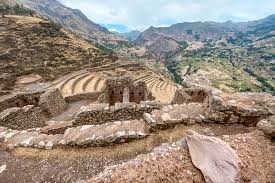
To mitigate these effects, measures such as access regulation, periodic maintenance of routes, and the promotion of responsible tourism practices have been implemented. Local authorities, together with organizations dedicated to heritage preservation, work to sensitize visitors about the importance of respecting site rules and minimizing their ecological footprint. Likewise, environmental and cultural education is promoted as a key tool to ensure that future generations can enjoy this unique space.
Sustainable tourism in Pisac seeks not only to protect the archaeological heritage but also to involve local communities in its management and care. Through workshops, training, and participatory projects, a model is encouraged where residents are protagonists in the conservation of their heritage, ensuring that the benefits of tourism are distributed equitably and contribute to the integral development of the region.
Conclusion
The Pisac Archaeological Park is an impressive testimony to the Incas’ ability to harmonize their architectural, agricultural, and spiritual knowledge with the environment that surrounded them. Exploring this site not only allows for the admiration of its material legacy but also for a connection with the deep cultural roots that still permeate the Sacred Valley region. Every element of the park, from its agricultural terraces to its ceremonial temples, tells a story that invites reflection on the relationship between humans and nature, as well as on the worldview of a civilization that left an indelible mark on history.
 The experience of touring Pisac is not limited to contemplating its ruins but becomes an immersive journey that awakens curiosity and admiration. Its natural, cultural, and archaeological richness makes this place a unique destination, where it is possible to learn from sustainable practices and the deep respect the Incas held for their environment. Every corner of the park holds secrets that inspire and teach valuable lessons about resilience, balance, and harmonious coexistence.
Visiting Pisac is also a reminder of the importance of preserving these spaces for future generations. Conservation work is fundamental so that this historical and cultural heritage continues to be a source of learning and connection for both local residents and those arriving from different parts of the world. Sustainable tourism and a collective commitment to caring for this site are key to ensuring its value endures over time.
Ultimately, the Pisac Archaeological Park is not just a place of historical interest, but also a symbol of human ingenuity and integration with the environment. A visit represents a unique opportunity to explore, learn, and admire one of the most emblematic examples of the grandeur of the Inca civilization.


Comments